A home fire extinguisher is useful only when an adult can reach it quickly, recognize the type, and still keep a safe route out of the building. The goal is not to encourage people to fight a growing fire. It is to make suitable equipment accessible for a small, contained fire when escape remains possible.
Start with the escape route
The U.S. Fire Administration says an extinguisher should be used only after others have been alerted, the fire department has been called, the fire is small and contained, smoke is not creating danger, and the user has a clear escape route. If any answer is no or uncertain, leave and call 911 from outside.
Placement should support that rule. Keep the extinguisher where a person can reach it while moving toward an exit, not where a fire could trap the user in a corner. Do not hide it behind stored items, inside a crowded cabinet, or beside the most likely source of flames.
Kitchen area
Cooking is a common place to consider an extinguisher, but it should not be mounted directly over or beside the stove. A fire at the appliance could block access. A visible location near the kitchen exit lets an adult approach with an escape route behind them.
Never put water on a grease fire. The extinguisher must be suitable for the type of fire shown on its label. Many homes use a multipurpose extinguisher labeled A-B-C, but the correct choice depends on the hazards in the home and local guidance.
Garage, workshop, and utility areas
Garages and workshops may contain fuel, paint, tools, batteries, and electrical equipment. Choose an extinguisher rated for the expected hazards and keep it near the normal exit rather than deep inside the room. A utility area may need its own accessible extinguisher when it is separated from the main living space.
Mounting conditions matter. Temperature limits, moisture, dust, and vibration can affect storage. Follow the manufacturer's instructions and do not leave an extinguisher where vehicles or equipment can strike it.
Bedrooms and upper floors
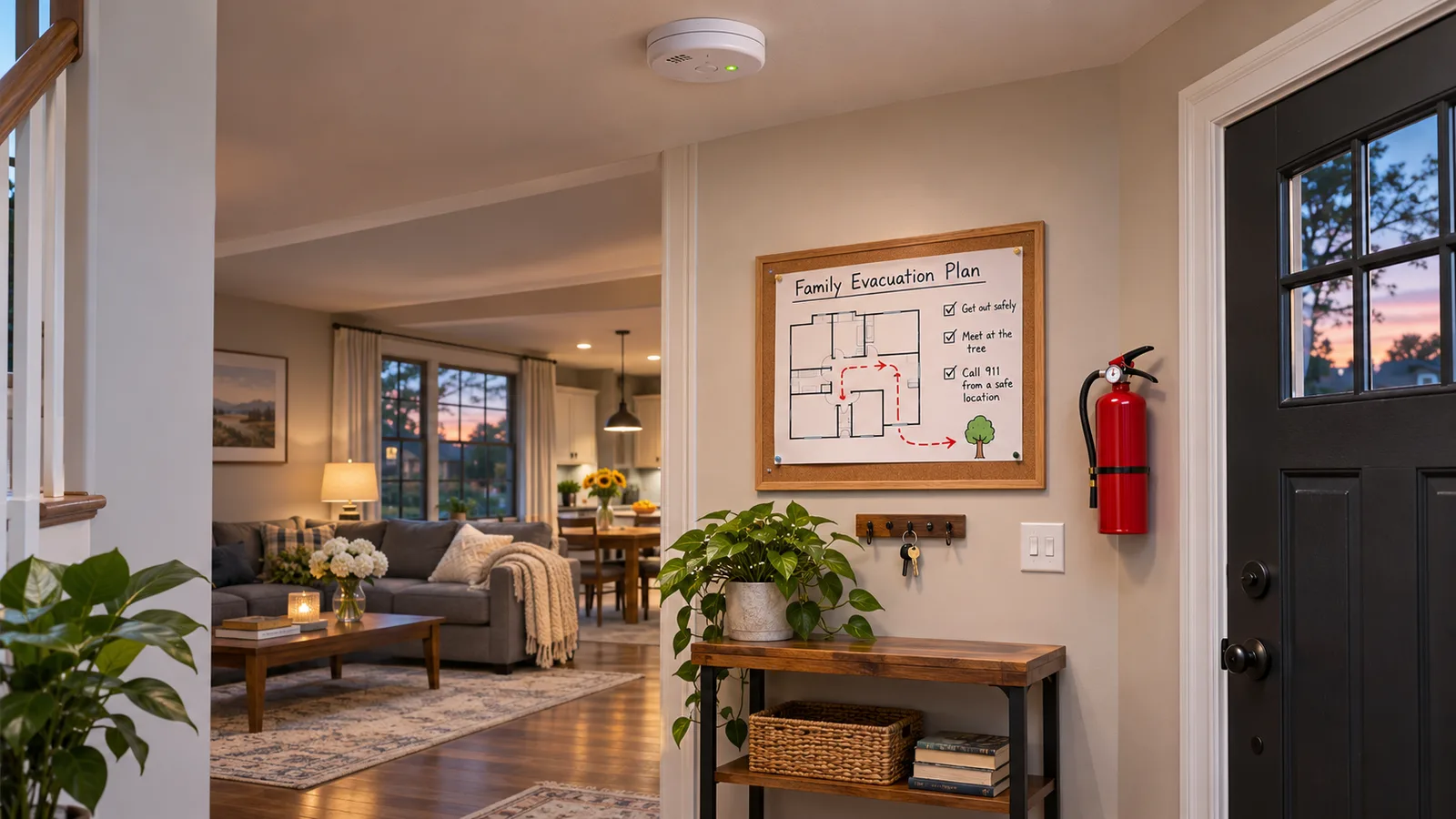
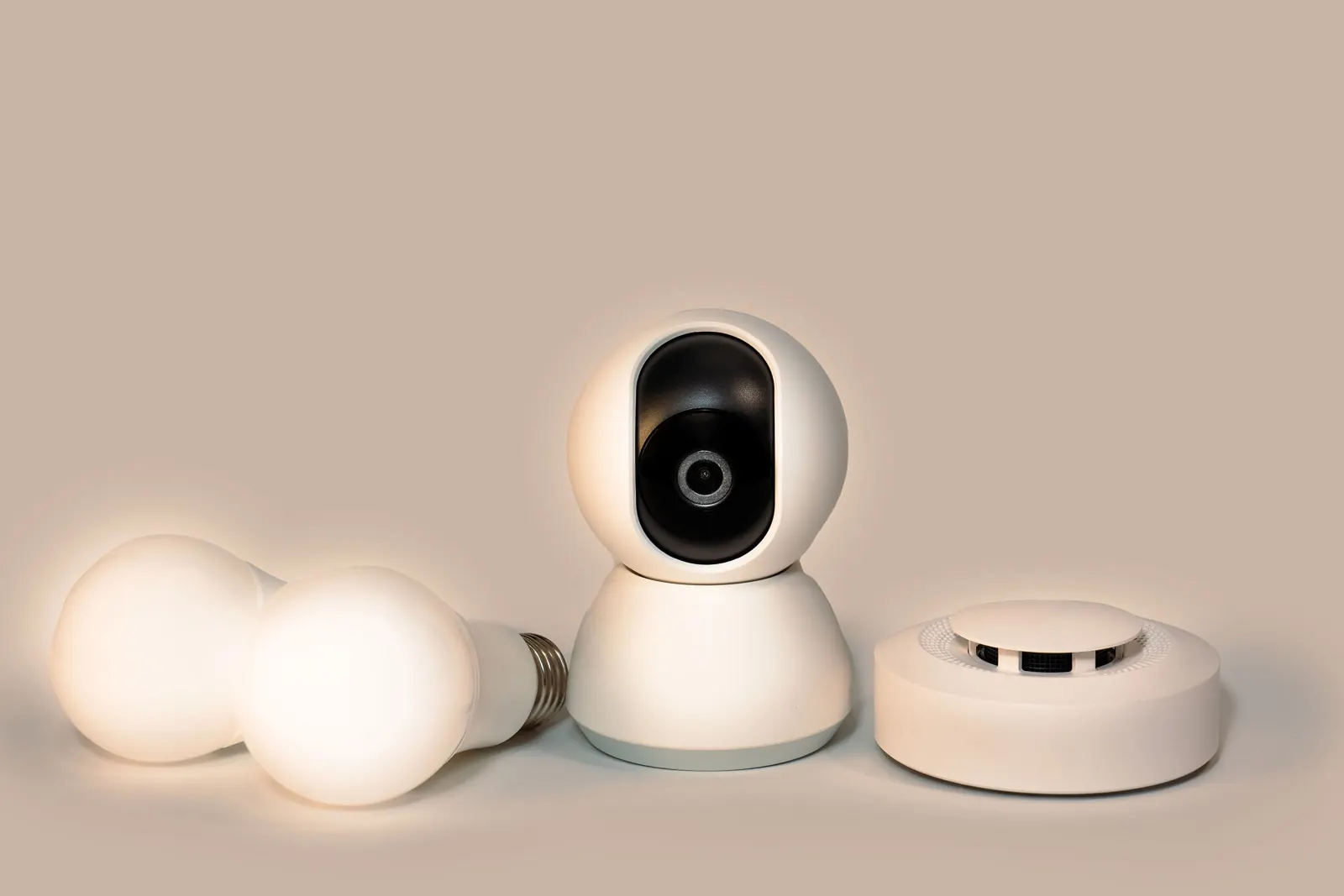
An extinguisher does not replace smoke alarms or a practiced escape plan. If a home has multiple levels, consider whether an adult can reach suitable equipment without moving toward the fire or away from an exit. The first priority after a smoke alarm sounds is to leave, account for everyone at the meeting place, and call 911.
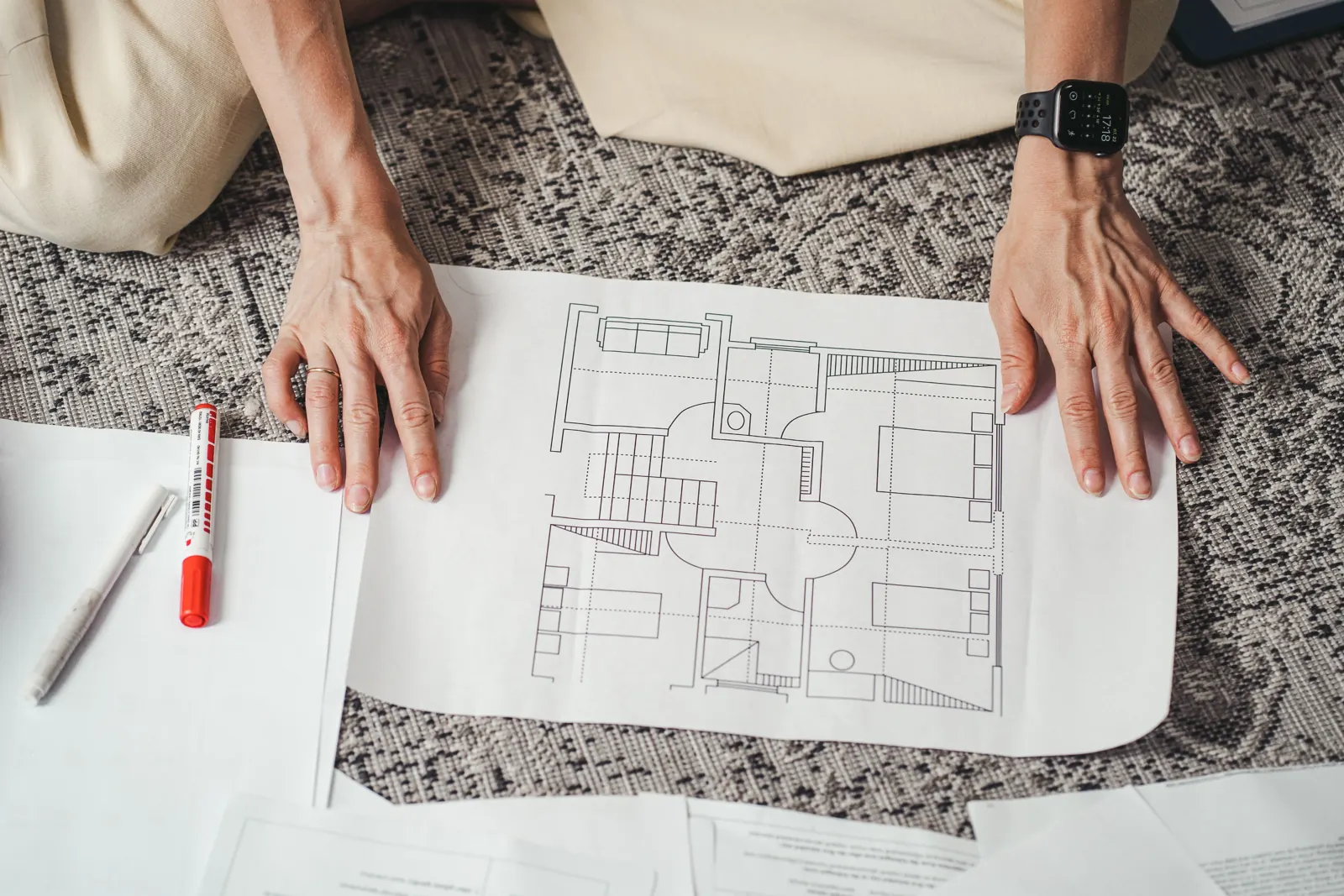
Review the home's fire escape plan and smoke alarm placement together with extinguisher locations.
Make the equipment visible and usable
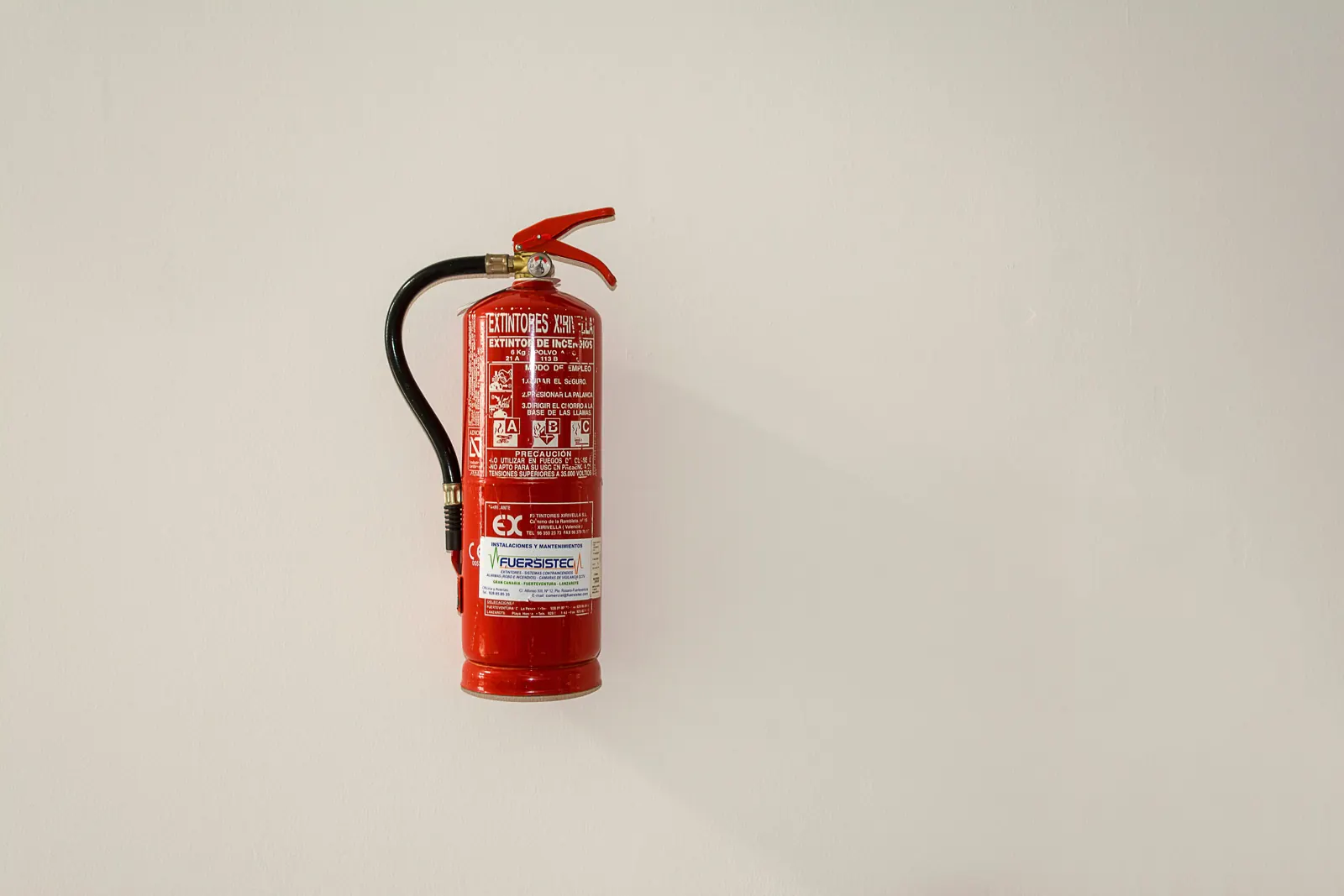
Use the supplied mounting bracket or an approved cabinet. Keep the label facing out and the operating instructions readable. Adults expected to use the device should know where it is and receive practical training when available.
USFA recommends looking for a UL Listed or ULC Listed label and choosing the largest extinguisher the user can safely and comfortably operate. Local fire departments can often answer questions about selection and training.
Check it regularly
Follow the inspection schedule on the label. Check that access remains clear, the gauge shows the recommended pressure when a gauge is present, the pin and seal are intact, and the hose, nozzle, and cylinder are not damaged, dented, or rusted. Replace or service the unit according to the manufacturer's instructions.
Placement checklist
- Keep a clear exit behind the user.
- Do not store the extinguisher beside the most likely fire source.
- Keep it visible and free of clutter.
- Match the extinguisher rating to the hazards in that area.
- Use the approved bracket and observe temperature limits.
- Include every location in household fire drills.
- Leave immediately if the fire is spreading, smoke is dangerous, or escape is uncertain.
An extinguisher is a backup tool for a limited situation. Working alarms, early escape, and a call to 911 remain the core home fire-safety plan.
For a fire or dangerous smoke, leave the building and call 911 from outside. See our Safety Disclaimer.